What to Know Before a Vinyl Window Installation
Understanding the Material Shift in Modern Windows
For decades, wood and aluminum dominated the window market. But over the last twenty years, vinyl frames have quietly taken over, and for good reason. Vinyl offers thermal efficiency that older materials struggle to match, and it resists rot, corrosion, and dents better than most alternatives. If you are considering a whole-home replacement or just updating a few drafty units, a proper vinyl window installation matters as much as the window itself. I have seen too many homeowners spend good money on high-performance windows only to lose half the benefit because the install was rushed or poorly flashed.
Living in the DFW area, I have watched contractors cut corners with cheap foam and missing sealants. That is why I want to walk through the real details of what a professional vinyl window installation looks like, what to watch for, and why brands like Pella, Milgard, and Simonton earn their reputations when installed correctly. The goal here is not to sell you on any one company but to give you the knowledge to ask the right questions when you hire someone.
Why Vinyl Frames Work So Well
Vinyl frames are extruded from PVC, a material that naturally insulates better than metal. A typical vinyl window frame has multiple hollow chambers that trap air, slowing heat transfer. That is a big deal in Texas summers when the sun bakes the side of your house. Combine those frames with Low-E glass and argon gas fill, and you get an assembly that reflects heat while letting visible light through. That combination is what earns an Energy Star rating for many modern windows.
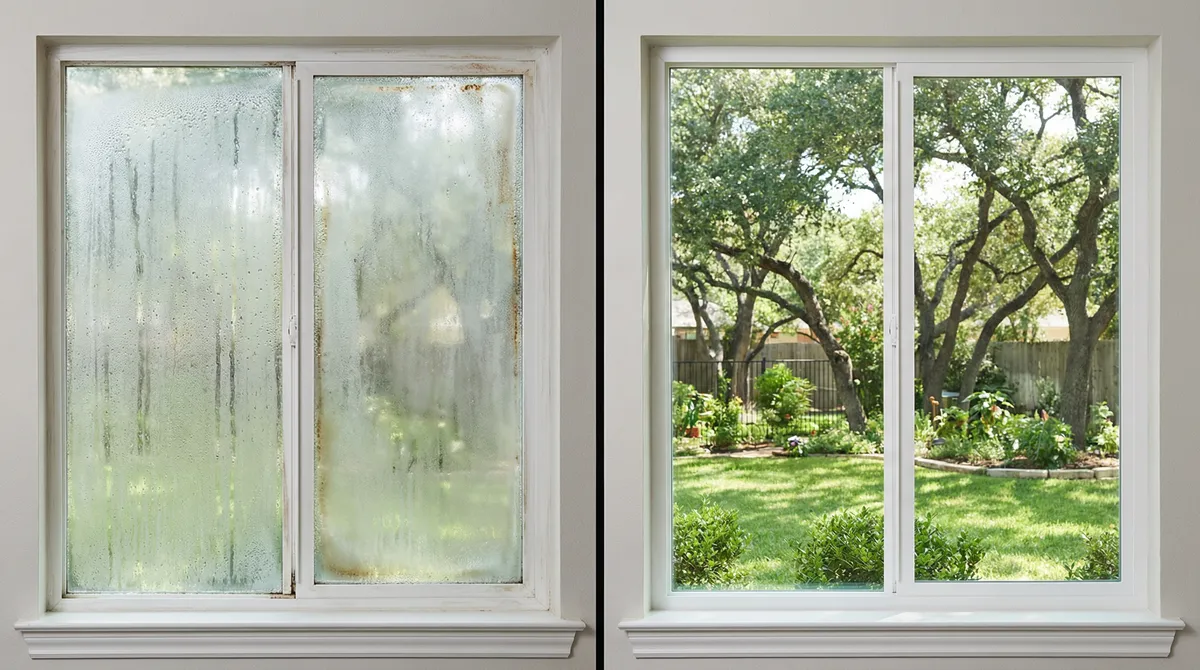
But here is the catch: the frame is only as good as the seal around it. Vinyl expands and contracts more than wood or aluminum when temperatures swing. That movement can break a poor seal over time, leading to air leaks and water intrusion. A quality vinyl window installation accounts for that expansion by leaving proper clearances and using flexible window flashing that moves with the frame. I have seen installers skip the flashing tape altogether, and within two years the homeowners had foggy glass repair issues they did not expect.

The Anatomy of a Proper Install
When I talk to contractors about vinyl window installation, I ask about two methods: nail fin installation and block frame installation. Nail fin is common for new construction or rough openings where you can attach the window through a fin that extends around the frame. Block frame is more typical for replacement windows, where the old frame comes out and the new one sits directly in the opening. Both methods work, but each has specific requirements.
For a nail fin installation, the fin must be sealed against the house wrap or sheathing with continuous window flashing tape. That tape bridges the gap between the fin and the wall, preventing water from tracking behind the window. I have seen crews nail the fin flat and call it done, but without proper flashing, you are gambling every time it rains. In the DFW area, where we get sudden downpours and high winds, that gamble does not pay off.
For replacement windows, the old frame comes out completely, and the rough opening gets cleaned and measured. This is where precision matters. A gap of even a quarter inch can cause drafts or make the window hard to operate. The installer shims the frame level and plumb, then screws through the jambs into the framing. After that, low-expansion foam goes around the perimeter to seal and insulate. Too much foam can bow the frame, so experienced installers use minimal pressure and let the foam cure before trimming excess.
Double-Hung Windows and Operating Hardware
Double-hung windows are still the most common style in residential work, and they benefit greatly from vinyl construction. The sashes glide on vinyl tracks that do not stick or corrode like aluminum sometimes does. But the hardware, springs, balances, locks, must be adjusted after installation. I have watched a crew install a beautiful double-hung unit and leave it so tight you needed a pry bar to open it. A proper vinyl window installation includes testing every sash and adjusting the balances so the window stays open at any height without slamming.
If you are replacing old wood double-hungs with vinyl, expect the new window to be slightly smaller than the old one because vinyl frames are thicker. That is normal. The installer fills the gap with trim and insulation, and the result is a much tighter seal than the original. Just make sure the contractor uses window flashing at the sill and head to direct water outward. That detail gets overlooked more often than you would think.
Commercial Glass Services and Larger Projects
Vinyl window installation is not just for houses. Light commercial buildings, storefronts, and offices also use vinyl frames, especially when energy codes require higher performance. Commercial glass services often involve larger, heavier units that need multiple people and a lift to position. The same principles apply: flashing, shimming, sealing. But the stakes are higher because a failed commercial window can mean water damage to inventory or interrupted business.
Apex Windows handles both residential and commercial work in the DFW area, and their process includes a free estimate before any work starts. That is standard practice for any reputable company. They also offer warranties on both materials and labor, which gives you recourse if something goes wrong. When you are comparing quotes, ask each contractor about their warranty and whether it covers the vinyl window installation itself or just the window unit. There is a difference.
Energy Performance and the Numbers That Matter
Energy Star ratings are a good starting point, but they are not the whole story. The National Fenestration Rating Council provides certified ratings for U-factor, solar heat gain coefficient, visible transmittance, and air leakage. These numbers tell you exactly how a window performs. A low U-factor means better insulation. A moderate solar heat gain coefficient is good for hot climates because it reduces cooling load. High visible transmittance means more daylight.
Vinyl frames with Low-E glass and argon gas fill typically achieve U-factors around 0.30 or lower, depending on the glazing. That is significantly better than single-pane aluminum windows that can have U-factors above 1.0. Over a full summer, the savings on air conditioning can be substantial. But those savings only materialize if the vinyl window installation is airtight. Even a high-performance window will leak if the installer leaves gaps or uses improper sealant.
What to Look for in an Installer
I have been around enough job sites to know that credentials matter. Look for installers who are certified through the American Architectural Manufacturers Association or who have taken training from manufacturers like Milgard or Simonton. Those programs teach the specific techniques for vinyl frames, including how to handle thermal expansion without damaging the window.
Ask potential contractors about their process for window flashing. Do they use tape? Fluid-applied membrane? Both? Do they integrate the flashing with the weather barrier? A good installer will walk you through it without hesitation. If they shrug and say they just caulk it, move on.
Also ask about the type of foam they use. Some cheap foams absorb water and lose their insulating value over time. Closed-cell, low-expansion foam designed for windows is the right choice. It stays flexible and resists moisture.

Final Thoughts on Vinyl Window Installation
Vinyl window installation done right is a long-term investment in comfort, energy savings, and peace of mind. Whether you are replacing a single foggy unit or doing a whole-home replacement, the principles are the same: careful measurement, proper flashing, precise shimming, and thorough sealing. The best window in the world is only as good as its installation.
If you live in the DFW area and are considering new windows, take your time vetting contractors. Get free estimates from at least three companies. Ask about their experience with vinyl frames specifically. Check references. And do not be afraid to ask the hard questions about window flashing, foam, and warranties. A quality installer will welcome those questions because they know their work holds up. That is the kind of confidence you want behind your windows.